By Dr Chris Davis | Expert plastic surgery for women on London's Harley Street.
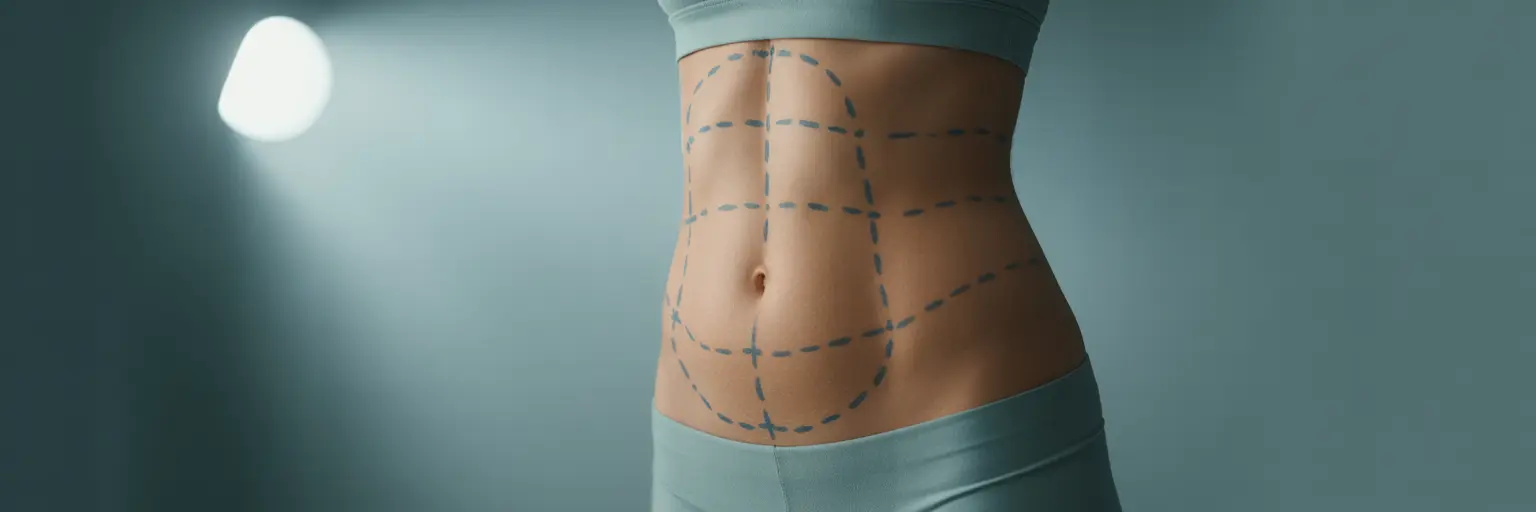
Fat transfer, also known as lipofilling or fat grafting, uses your own fat to add volume and improve contour. Fat is taken from one area of the body by liposuction, processed, and carefully reinjected where additional volume is wanted.
Dr Chris Davis holds consultations at 84 Harley Street, London. Because fat transfer uses your own tissue rather than an implant, it can produce a soft, natural result — with the added benefit of contouring the donor area.
The procedure is carried out under general anaesthetic and typically takes around two hours. Suitable donor sites and the volume that can realistically be transferred are discussed and agreed with you before surgery.
Fat transfer is commonly considered by those who want a modest, natural increase in volume without implants, who wish to correct contour irregularities or asymmetry, or who would like to reshape a donor area at the same time.
It is important to understand that not all transferred fat survives — a proportion is reabsorbed — so results are more subtle than implants and a second session is sometimes needed. You also need sufficient fat at a suitable donor site.
At consultation Dr Davis will assess your donor areas and goals, and explain realistically what fat transfer can achieve for you.



Most patients go home the same day. Recovery involves both the donor site and the treated area, with bruising and swelling expected in both. A compression garment is usually worn over the donor area.
Most patients return to desk-based work within about a week. Some of the transferred fat is naturally reabsorbed over the first few months, and the final result becomes clear once this settles — occasionally a second session is recommended.

If you have any questions, feel free to message us on WhatsApp or call us on 07407278400.
The team will be happy to help you.

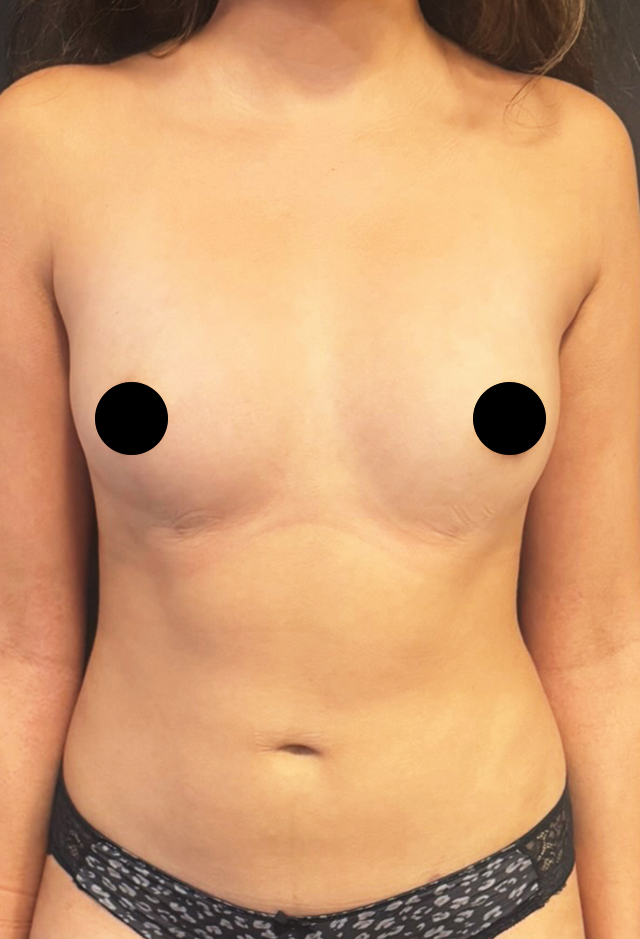
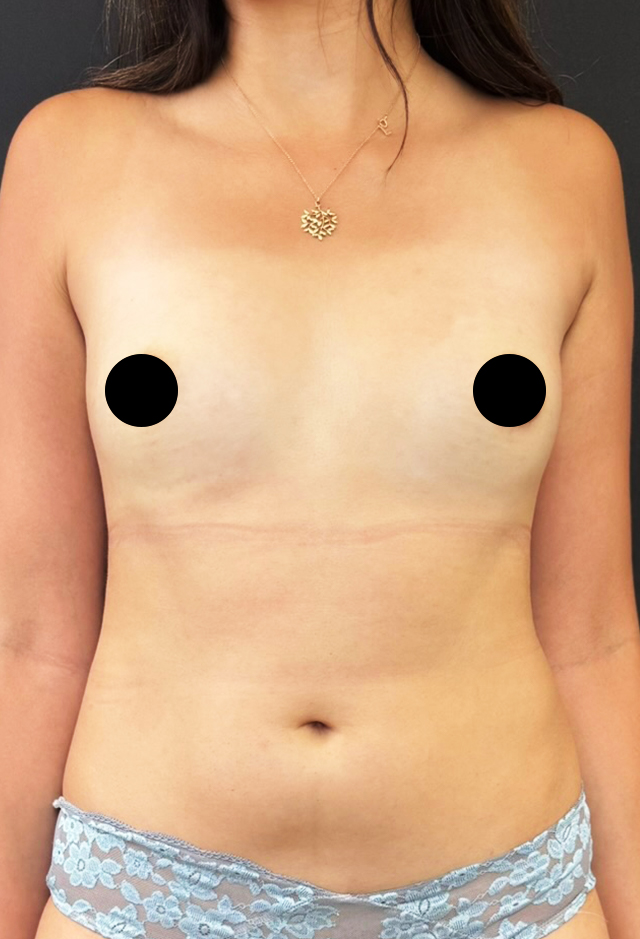
Fat transfer offers a subtle increase — typically up to one cup size — rather than dramatic volume.
Some fat is reabsorbed by the body, but the remaining fat establishes long-term volume. This is factored into the surgical plan, and advice for good fat retention is provided during the consultation. We have a fat transfer protocol for how to maximise fat graft survival. This includes hyperbaric oxygen, medications, garments, and lymphatic massage. We do this so that the best fat graft survival rates can be achieved. Many of our patients are slim with minimal fat reserves, so keeping every fat cell alive is our goal.
Scarring is minimal, with only small incisions used for fat harvesting and injection.
When performed by an experienced surgeon, fat transfer is considered safe and effective.
Common areas include the abdomen, thighs or flanks — areas with excess fat. The best donor sites are determined during the consultation and assessment.
No, implants are not required. Fat transfer is ideal for patients wanting a natural enhancement. Fat transfer to the breast can be performed at the same time as a breast augmentation (called a hybrid breast augmentation) or in revision breast implant surgery. The purpose is to offer a softer, more natural cleavage or to make the edges of the implant appear smoother and more subtle. It can also be used in cases of implant rippling too.
The starting price is £8,900. The price depends on how many areas the fat is harvested from.


.png)
We use analytics cookies to understand how visitors use this site so we can improve it. These are only set if you accept. Read our privacy policy.