By Dr Chris Davis | Expert plastic surgery for women on London's Harley Street.
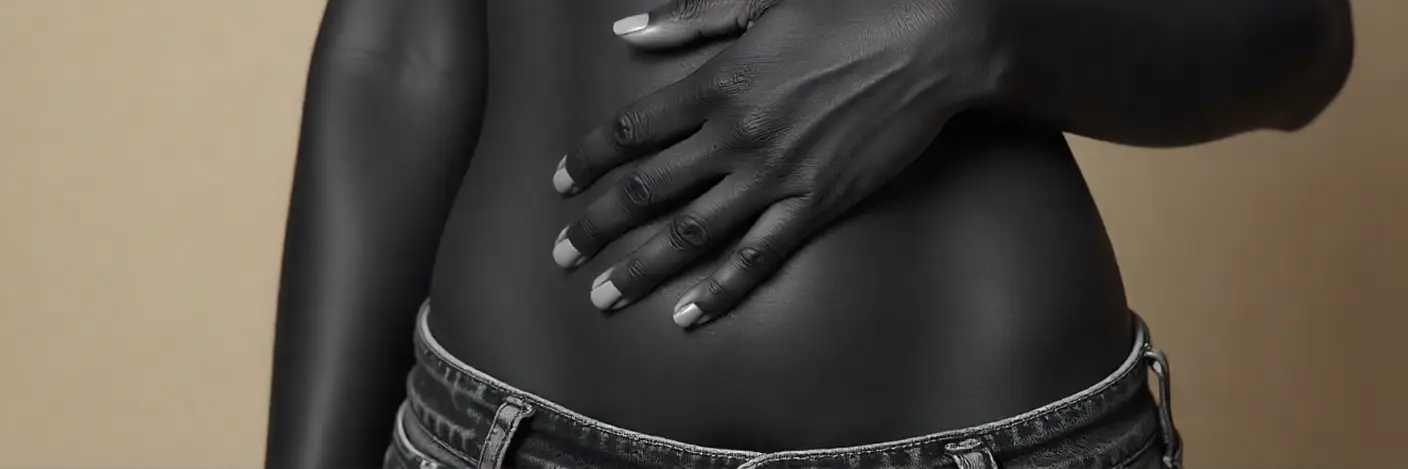
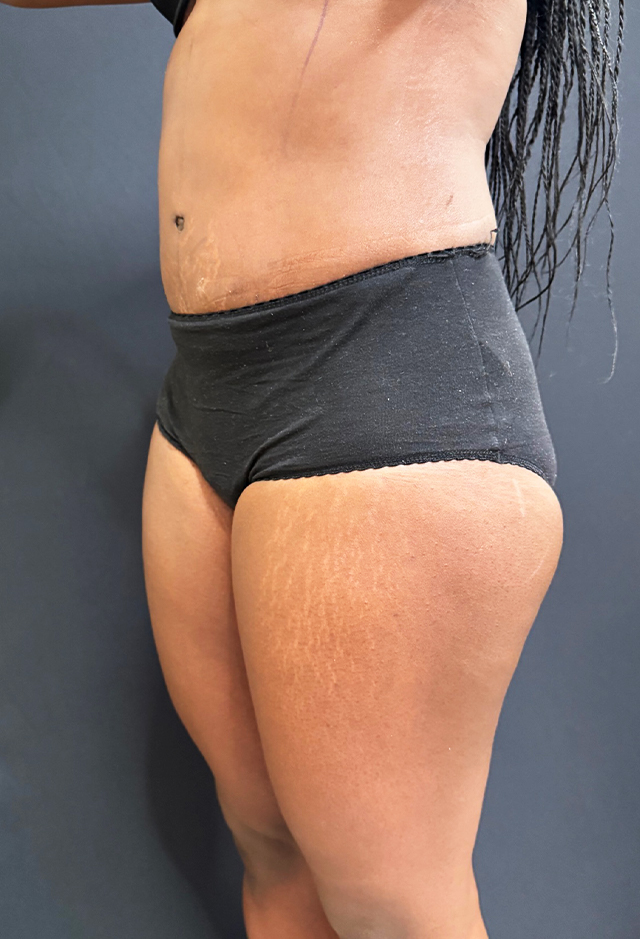
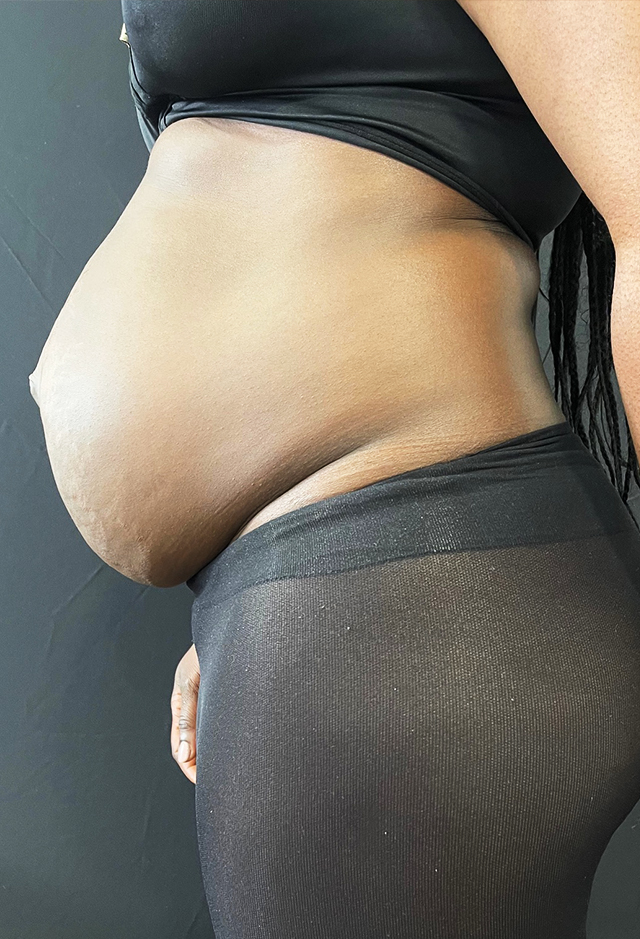
A tummy tuck, known medically as abdominoplasty, removes excess skin and fat from the abdomen and, where needed, repairs the abdominal muscles. Dr Chris Davis tailors the approach to each patient's anatomy and goals, with careful placement of the scar so it sits low and can be concealed by underwear.
A key part of the procedure for many patients is repair of rectus diastasis, also called diastasis recti — a gap that develops between the vertical ‘six-pack’ muscles, which is extremely common after having children. By bringing these muscles back into the position they held before pregnancy, the repair does more than flatten the abdomen: patients often report improvements in core strength, back pain, urinary frequency and urinary incontinence, and even headaches or migraine.
There are different types of tummy tuck, and the right one depends on how much excess tissue is present and where:
With the growing use of GLP-1 weight-loss medications, more patients are reaching a stable weight and then seeking surgery to address the loose skin that can remain. A tummy tuck can be a suitable next step once weight has stabilised, and Dr Davis will advise on the right timing at your consultation.
The procedure is carried out under general anaesthetic and typically takes 3 hours. Excess skin and fat are removed through a low horizontal incision, the remaining skin is redraped, and the muscle repair is carried out where needed. The extent of surgery depends on how much correction is required.
A tummy tuck is commonly considered by women who have loose or excess abdominal skin following pregnancy or weight loss, separation of the abdominal muscles, or a persistent lower abdominal bulge that does not respond to diet and exercise.
It is not a weight-loss procedure, and is best suited to those at or near a stable weight. The scar is permanent, and future pregnancy or significant weight change can affect the result.
At consultation Dr Davis will examine you, discuss what you want to change, and explain honestly what abdominoplasty can and cannot achieve in your case.


Most patients will need to stay for one night after surgery. Abdominoplasty has a more involved recovery than many procedures: expect tightness across the abdomen, and you may be advised to walk slightly bent for the first days. Pain relief and a compression garment are provided.
Most patients return to desk-based work in 1 week, with strenuous activity and heavy lifting avoided for several weeks. Swelling settles gradually and the final contour becomes apparent over several months.

If you have any questions, feel free to message us on WhatsApp or call us on 07407278400.
The team will be happy to help you.

Stretch marks below the navel are often removed with excess skin. Those above may remain but are usually repositioned lower and become less noticeable.
The first 1–2 weeks bring soreness, swelling and limited movement, and light walking is encouraged to prevent clots. Most people resume light activities and desk work by 2–4 weeks while continuing to wear a support garment. Normal routines return around 4–6 weeks, avoiding heavy lifting and strenuous exercise, with full activity including workouts from 6–8+ weeks with surgeon approval.
The scar is positioned low on the abdomen, typically hidden beneath underwear or swimwear, and fades gradually with proper scar care.
Yes, where needed. Repair of rectus diastasis (diastasis recti) — the gap between the ‘six-pack’ muscles that commonly develops after pregnancy — is a core part of a full tummy tuck. Realigning these muscles can improve core strength and often eases back pain, urinary frequency and incontinence, and headaches or migraine.
Yes. The goal is a flatter, firmer abdomen that looks proportionate and natural, not overly tight.
Results are long-lasting if weight remains stable. Significant weight changes or pregnancy can affect the outcome.
The starting price of the tummy tuck is £12,900.



.png)
We use analytics cookies to understand how visitors use this site so we can improve it. These are only set if you accept. Read our privacy policy.